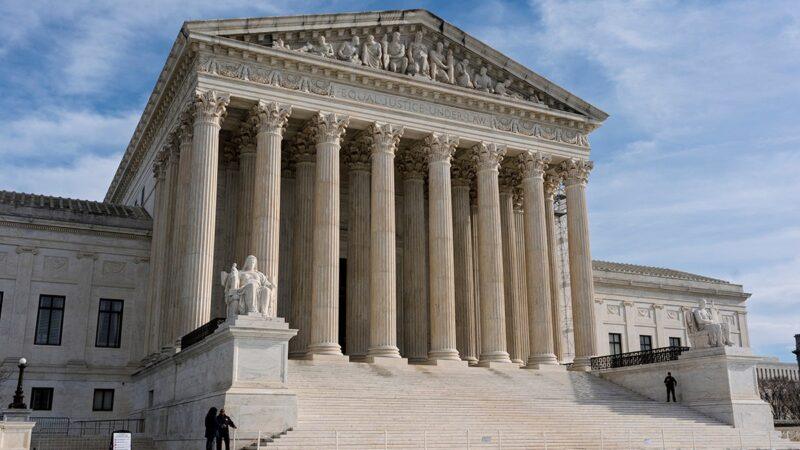
The Supreme Court ruled Tuesday that Colorado cannot enforce its so-called “conversion therapy” ban regarding conversations between therapists and minors, saying the law likely violates the First Amendment by allowing some viewpoints but not others.
In an 8–1 decision, the high court said the law favors one viewpoint by allowing therapists to affirm a minor’s gender identity or sexual orientation, but not help them to change it if they want to.
The decision stemmed from a lawsuit brought by Kaley Chiles, a licensed Christian therapist, who argued her conversations with youth clients were a form of protected speech. The Colorado government had said the conversations amounted to professional conduct that the state was allowed to regulate.
SUPREME COURT SKEPTICAL OF “CONVERSION THERAPY” LAW BANNING TREATMENT OF MINORS WITH GENDER IDENTITY ISSUES
At issue in the case was a law Colorado passed in 2019 that banned what the state government described as conversion therapy.
Justice Neil Gorsuch wrote the majority opinion, saying the question before the high court was a “narrow one” and that Chiles did not seek to toss out the Colorado law but rather consider whether it could apply to therapy that was strictly conversational.
“The First Amendment stands as a shield against any effort to enforce orthodoxy in thought or speech in this country,” Gorsuch wrote. “It reflects instead a judgment that every American possesses an inalienable right to think and speak freely, and a faith in the free marketplace of ideas as the best means for discovering truth. However well-intentioned, any law that suppresses speech based on viewpoint represents an ‘egregious’ assault on both of those commitments.”
SUPREME COURT REJECTS SOUTH CAROLINA’S BID TO ENFORCE TRANSGENDER BATHROOM BAN
In the lone dissent, Justice Ketanji Brown Jackson said the majority “plays with fire in this case” and that she feared “the people of this country will get burned.”
“Before now, licensed medical professionals had to adhere to standards when treating patients: They could neither do nor say whatever they want,” Jackson wrote. “Largely due to such State regulation, Americans have been privileged to enjoy a long and successful tradition of high-quality medical care.”
About two dozen states and Washington, D.C., have laws in place that are similar to Colorado’s that could be affected by the Supreme Court’s decision.
Chiles’ lawyers had said in court papers that she believed that people “flourish when they live consistently with God’s design, including their biological sex.” They said Chiles used faith-based counseling to “reduce or eliminate unwanted sexual attractions, change sexual behaviors, or grow in the experience of harmony with one’s physical body.”
Colorado Solicitor General Shannon Stevenson had countered during oral arguments in October that no court had ever held that a law like Colorado’s implicated the First Amendment, saying the law applied only to treatments.
“A state cannot lose its power to regulate the very professionals that it licenses just because they are using words,” Stevenson had said.
Alliance Defending Freedom attorney Jim Campbell, who argued the case on behalf of Chiles before the Supreme Court, called the ruling a “significant win.”
“Kids deserve real help affirming that their bodies are not a mistake and that they are wonderfully made. The U.S. Supreme Court’s decision today is a significant win for free speech, common sense, and families desperate to help their children,” Campbell said in a statement. “States cannot silence voluntary conversations that help young people seeking to grow comfortable with their bodies.”
Fox News’ Bill Mears contributed to this report.
<!–>
–>


More Stories
Swalwell threatens FBI with legal action as Patel reportedly weighs ‘Fang Fang’ files release
Democrats pounce on $4 a gallon gas, blame Trump’s Iran war for ‘broken promise’
DHS rips Jimmy Kimmel for mocking Secretary Markwayne Mullin’s plumbing background